Diving into the world of business tech, it’s crucial to understand the difference between EiPaaS and iPaaS. These platforms might seem similar since both aim to knit different systems together, but they serve very different purposes. Imagine EiPaaS and iPaaS as tools in a toolbox-each designed for specific tasks. EiPaaS stands out for its ability to supercharge large companies’ efficiency and spark innovation. Let’s explore what makes EiPaaS different and how Vorro is a great example of EiPaaS’s power to transform big businesses.
Understanding the Basics: iPaaS vs. EiPaaS
iPaaS (Integration Platform as a Service) offers a cloud-based environment for integrating applications, data sources, and processes. It streamlines workflows and data sharing across multiple platforms, making it easier for businesses to connect disparate systems.
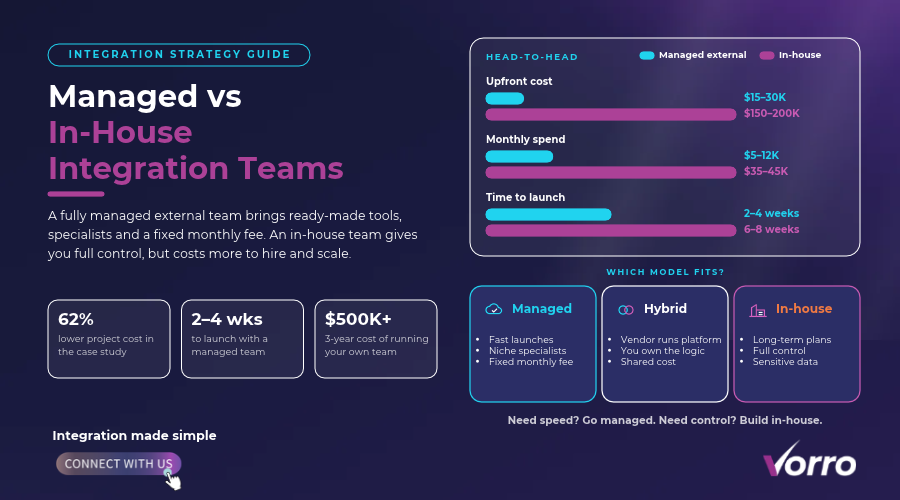
EiPaaS (Enterprise Integration Platform as a Service), on the other hand, extends the capabilities of iPaaS by offering more robust, scalable, and secure integration solutions tailored to the complex needs of large enterprises. EiPaaS platforms can handle a higher volume of integrations and more complex data transformations. They also meet stricter compliance requirements, making them a better fit for larger organizations with extensive IT ecosystems.
Why EiPaaS Stands Out
- Scalability: EiPaaS solutions are built to scale with the growth of an enterprise. They accommodate an increasing number of integrations and more complex data processing needs without compromising performance.
- Security and Compliance: Given the sensitive nature of data handled by large organizations, EiPaaS platforms place a strong emphasis on security features. They ensure compliance with regulatory standards, protect data, and meet governance requirements.
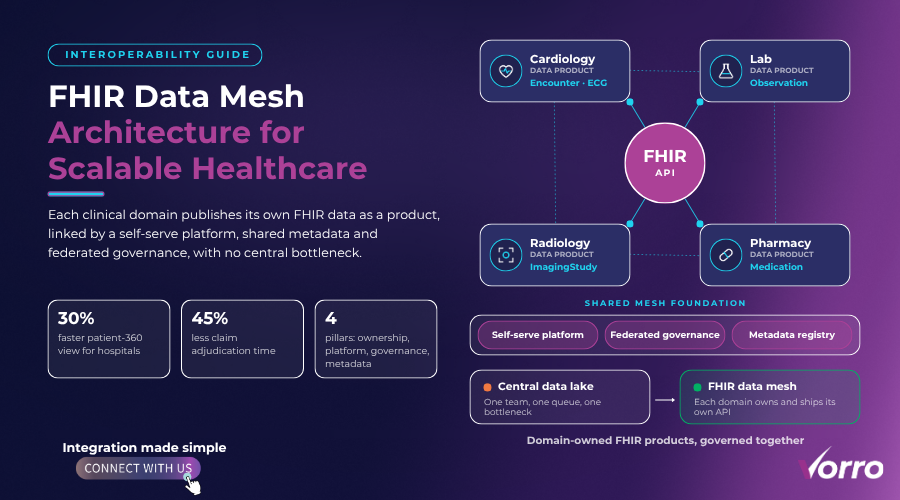
- Advanced Integration Capabilities: EiPaaS offers a wider range of integration patterns and supports more complex scenarios. These include B2B integrations, real-time data streaming, and event-driven architectures, which are essential for large enterprises.
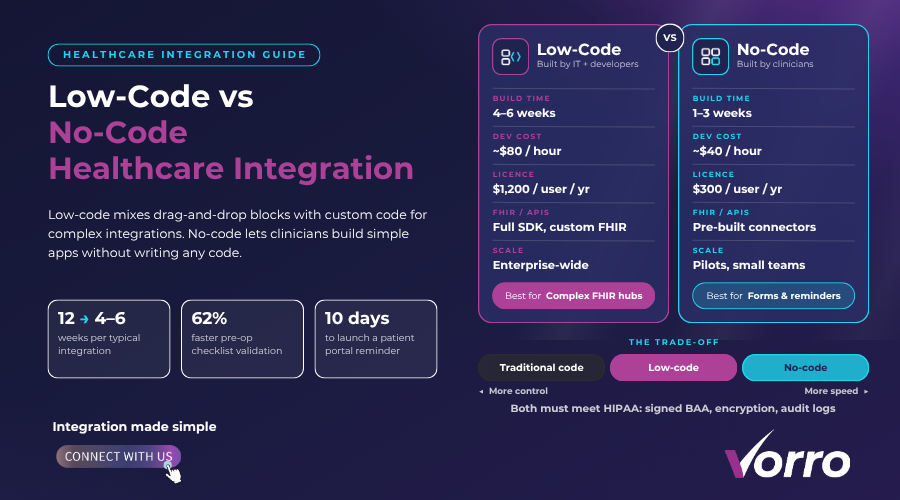
- Customization and Control: Enterprises often require custom integration solutions to meet their unique business needs. EiPaaS provides the flexibility and control needed to tailor integrations, offering a more personalized approach compared to standard iPaaS offerings.
Vorro Simplifying and Securing Healthcare Connections
Vorro is a standout example of how the right technology can make a big difference for large healthcare organizations looking to tie their systems together. It’s all about giving these organizations the control, security, and speed they need to handle their complex needs. With Vorro these organizations can manage lots of different tasks and integrations smoothly, thanks to its smart features that keep an eye out for any issues and keep everything on track.
BridgeGate’s EiPaaS solution is not just about connecting systems; it’s about enabling enterprises to leverage their data fully, drive operational efficiency, and innovate at scale. By offering a drag-and-drop interface and a robust full audit trail, it simplifies the integration process while maintaining the high level of performance and security that enterprises demand.
Finally, as businesses continue to evolve and the demand for more sophisticated integration solutions grows, EiPaaS stands out as the superior choice for enterprises. With its scalability, security, and advanced integration capabilities, EiPaaS like BridgeGate „¢ is essential for any large organization looking to streamline its operations and drive growth through technology. For more information on how Vorro can transform your organizatios’s healthcare data, visit us today!