Introduction
Simply picture this. The Enterprise Integration Platform as a Service (EiPaaS) market in the U.S.A. is projected to reach $5.8 billion by the end of 2024, with a CAGR of 23.7%, as reported by The Business Research Company and P&S Intelligence.
Companies similar to yours are always seeking ways to streamline processes, speed up operations, and stay ahead of rivals. An EiPaaS is an answer to these challenges and beyond.
Comprehending EiPaaS
Enterprise Integration Platform as a Service (EiPaaS) is a cloud-native integration solution offering tools and services that help businesses manage the integration of their applications, data, services, and processes. EiPaaS is a middleware linking different cloud-based and on-premises applications, databases, and services to enable data exchange and communication.
The Role of EiPaaS
EiPaaS is essential for completing complex integration tasks in a more efficient and speedy manner. It offers a unified platform for companies to create, implement, and manage integrations without requiring extensive coding or human participation. Automating procedures, syncing data across multiple platforms, and ensuring real-time information transmission can help businesses improve efficiency and decision-making.
Advantages of Enterprise Integration Platform as a Service (EiPaaS)
There are many benefits that come with EiPaaS:
- Streamlined Operations: EiPaaS enhances effectiveness by eliminating data silos and facilitating seamless data exchange throughout processes.
- Cost Savings: EiPaaS reduces operating costs by automating integrations and decreasing the requirement for manual intervention.
- Scalability: EiPaaS solutions are designed to grow with you, allowing for expansion and handling increased data volumes without sacrificing performance.
- Versatility: Whether they are located on-premises or in the cloud, a wide range of applications and services can be easily incorporated.
- Better Decision-Making: Real-time data synchronization ensures decision-makers have the most up-to-date information for making educated choices.
Main characteristics of EiPaaS
Let’s analyze several main characteristics:
- Integration of technology and tools: Various tools and technologies can be found in EiPaaS systems to simplify integration processes.
- Drag-and-drop tools : Designed to be user-friendly, these tools do not necessitate extensive coding knowledge, allowing users to visually create integrations.
- API management tools are tools that help in the development, supervision, and upkeep of APIs to ensure secure and efficient data transmission.
- Data Mapping and Transformation involves the skill to align and convert data in different formats, ensuring uniformity and interoperability.
Security and Control
Security and governance are extremely important in all integration strategies. EiPaaS platforms help maintain data security and compliance.
- End-to-end Encryption: End-to-end encryption protects data in both transmission and storage.
- Access Control: By utilizing user roles and permissions, precise access controls can restrict data access.
- Audit Trails involve thorough documentation and monitoring of integration activities to assist with problem-solving and ensure adherence to regulations.
Use Cases and Benefits
EiPaaS has demonstrated its flexibility and effectiveness across various sectors. Here are some real-life examples that highlight its benefits:
Integration of applications: Enterprises utilize EiPaaS to facilitate seamless data movement and automate processes across multiple applications. For instance, a retail company could streamline order processing and inventory updates in real time by connecting their online sales platform with their inventory tracking system.
API Management: API management capabilities on EiPaaS platforms enable organizations to securely develop, release, and oversee APIs. For instance, EiPaaS enables financial services companies to make their services available through APIs, enabling partners and developers to create additional apps utilizing the platform.
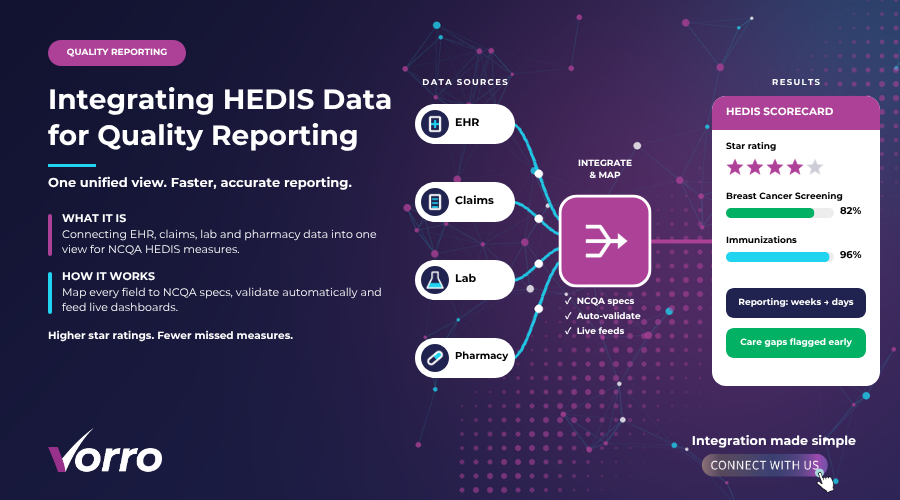
Data Integration: EiPaaS systems are highly effective at this function, aiding companies in consolidating data from various sources into one unified view. For instance, a medical provider can utilize EiPaaS to amalgamate patient data from multiple systems, guaranteeing medical staff have complete and current patient information access.
Digital Transformation: EiPaaS plays a crucial role in digital transformation initiatives by enabling seamless communication between modern cloud programs and older systems. This connectivity is crucial for businesses looking to enhance their digital capabilities and modernize their IT infrastructure.
Enhanced Operational Efficiency: EiPaaS, with its assurance of real-time data synchronization and automation of time-consuming tasks, achieves enhanced operational efficiency. For example, a manufacturing company can utilize EiPaaS to streamline supply chain processes, reducing delays and increasing productivity.
Summary
EiPaaS revolutionizes contemporary businesses by offering smooth integration solutions that increase efficiency, reduce expenses, and drive digital innovation. EiPaaS has the potential to become an essential tool for companies wanting to remain competitive in the digital era, thanks to its wide range of applications, extensive features, and promising possibilities. Understand the potential of EiPaaS in 2024 in diverse systems and applications.