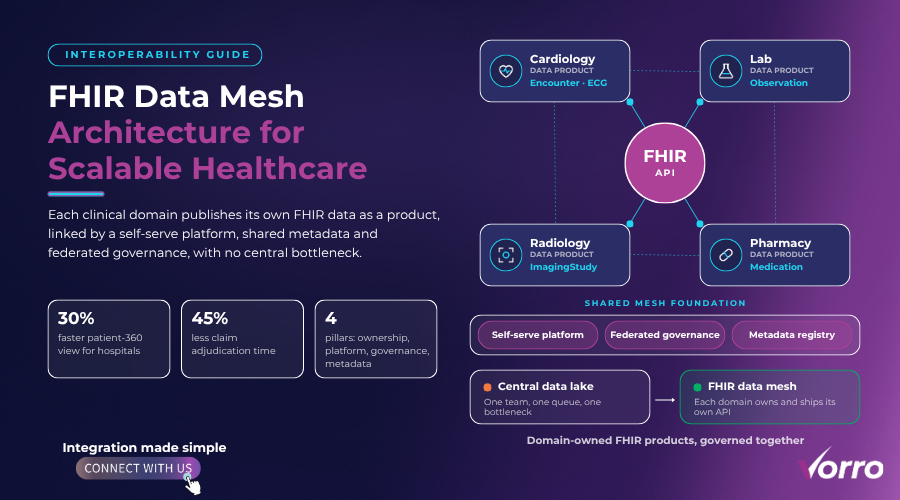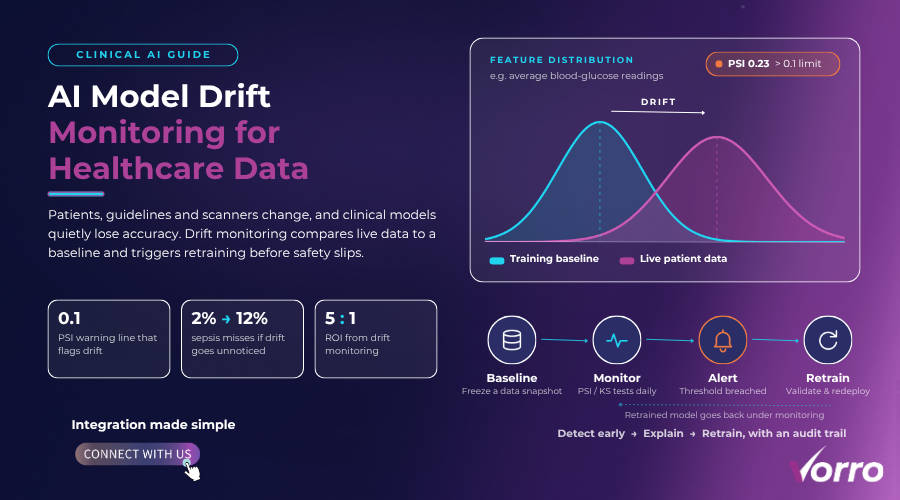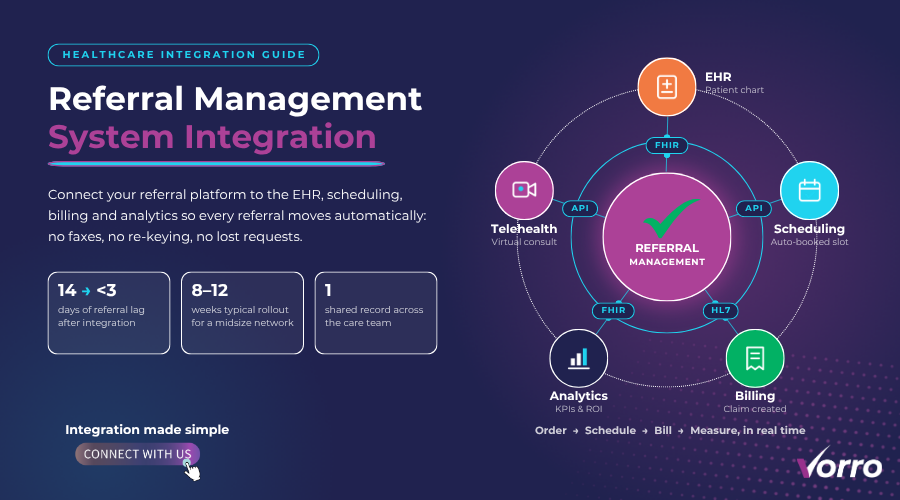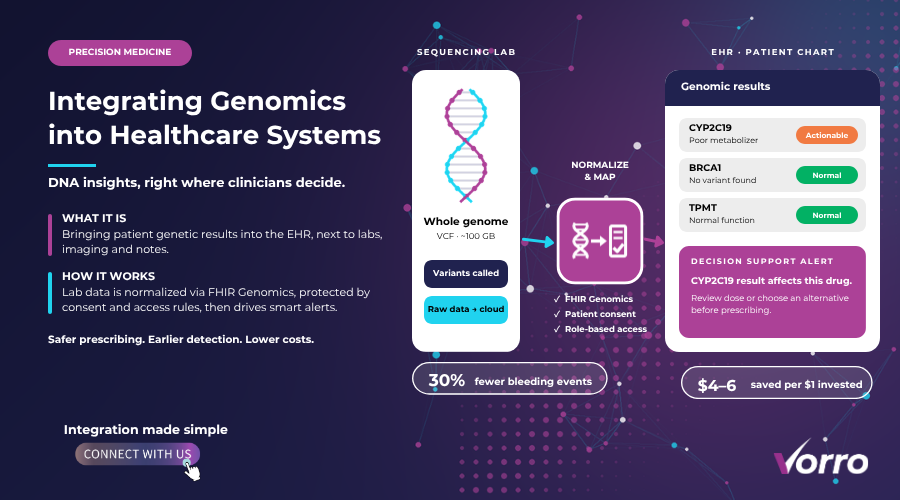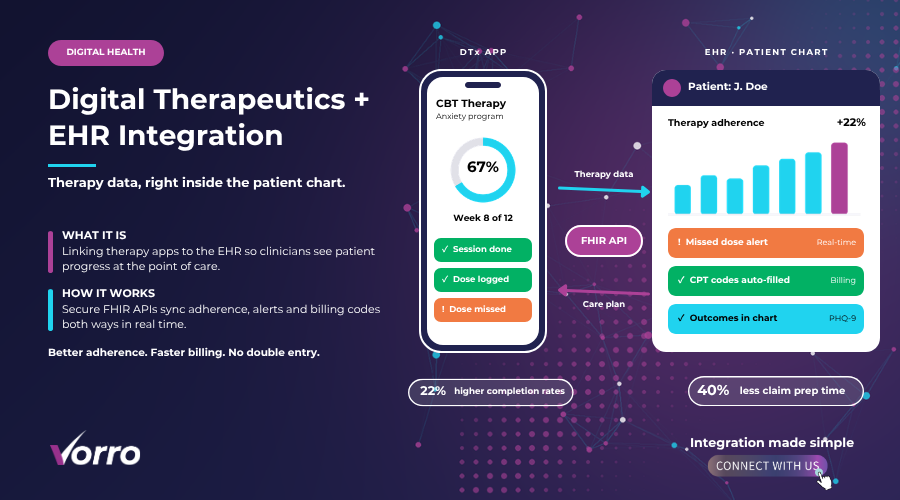

The 21st Century Cures Act mandates that healthcare providers support increasing interoperability and access to patient-level data. Much of this takes effect in July 2021. In addition, healthcare professionals must provide patient access to data by December 2022. Despite the pandemic making implementing new interoperability methods difficult, there is a simple solution: the Fast Healthcare Interoperability Resource, or FHIR.
The Health Level Seven International (HL7) organization developed the FHIR standard, which outlines data formats, resources, and an application programming interface (API) to facilitate the quick and efficient exchange of electronic health data. On their website, HL7 describes FHIR’s mission by saying, The philosophy behind FHIR is to build a base set of resources that, either by themselves or when combined, satisfy the majority of common use cases. FHIR resources define the information contents and structure for the core information set that most implementations share.
The goal of FHIR is to quickly and clearly transfer health data between providers and patients, which is a best practice per the 21st Century Cures Act.
Considering the massive amount of healthcare data in every provider’s office across the country, the need for efficient data transfer is of the utmost importance. Currently, many times, these transfers are encounter-based documents that are typically emailed or faxed between providers. Encounter-based document transfers are time-consuming, can be costly for the provider, and are often confusing for the patient. The data in the documents is too verbose in many cases and does not help the provider focus in order to make well-informed decisions about a patient’s care.
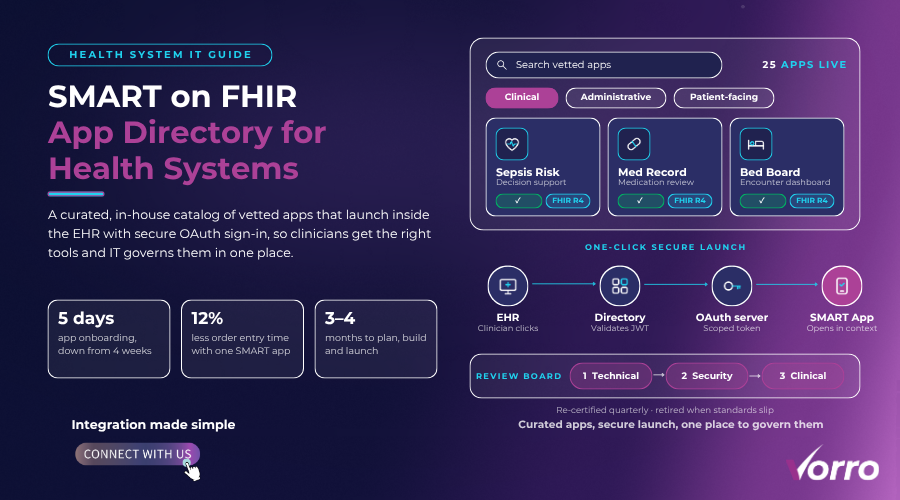
FHIR is a groundbreaking way for developers to break current industry standards by allowing healthcare providers to have the specific information they need in near real-time. Using API standards, developers can code these applications into an EHR, seamlessly integrating the data into a provider’s workload. Moreover, there’s no need for the convoluted process of data extraction and stratification from traditional encounter-based documents. FHIR allows providers to spend less time sorting through documents and more time caring for their patients. Additionally, FHIR can connect patients, providers, and care teams, making care coordination much easier and more effective.
The United States, through the 21st Century Cures Act, aims to increase interoperability and access to patient data. However, it can be daunting for providers to implement these standards using FHIR by July 2021. A recent survey estimated that only 18% of providers and 36% of payers have current expertise in FHIR data exchange models. This study also cited a lack of prioritization and cost concerns as key issues across the industry. Vorro can help you achieve full compliance quickly and efficiently.
How Vorro Can Help
When considering implementing FHIR, several items need to be considered. Firstly, the infrastructure needed to exchange FHIR-based data. Most organizations will need an additional layer, the FHIR server, between their trading partners and their internal systems. Our BridgeGate solutions are securely hosted and managed at AWS data centers nationwide and currently handle millions of monthly transactions. FHIR is one of many standards we support.
Secondly, mapping the data is hard enough from your systems to the FHIR standard, never mind what the other side is sending. Vorro’s BridgeGate easily handles this complexity with our template-driven approach to integration. Our experts deliver solutions in days with these tools, not months or years. Finally, isn’t this just what you need? This is another standard with which to keep pace. We handle the disparity and the consistent change that exists within the standards, and you focus on your business.
At Vorro we are positioning our clients to successfully leverage the FHIR standard and to comply with the 21st Century Cures Act. This is the future of data exchange, and we are prepared to meet this need today and tomorrow. To learn more about Vorro and our complete portfolio of solutions visit us. #IntegrateNow
Other Useful Resources
Customer data integration
Healthcare data interoperability