Thinking about a FHIR R4 migration but not sure where to start? You’re not alone. Hospitals and labs are scrambling to replace aging HL7 v2 pipelines with modern, interoperable APIs. In the next few minutes I’ll walk you through the exact steps I used for a 750?bed system that cut integration costs by 30%.
Why Organizations Are Adopting FHIR R4
FHIR adoption isn’t a buzzword; it’s a ticket to faster data exchange, better patient outcomes, and smoother ONC compliance. With R4 now the normative version, vendors lock in support, and you avoid the headache of frequent upgrades. Plus, payors are rewarding providers that can migrate to FHIR quickly.
What a Migration Involves
Assessing Current HL7 v2 or Legacy Data Landscape
Start with an inventory: 20 ADT feeds, 15 ORU streams, and a handful of homegrown CSV extracts. A simple spreadsheet and a readiness checklist will surface gaps you can’t ignore.
Data Mapping, Validation, and Quality Checks
Map each v2 segment to its R4 resource using R4Maps or custom scripts. Remember, 5?% of records typically fail validation because of missing patient identifiers—fix that early.
Choosing the Right Architectural Approach
Do you need on?prem servers, a cloud?first strategy, or Azure API for FHIR? My team chose a hybrid: critical workloads stayed on?prem, while new mobile apps hit the cloud.
Migration Tooling and Automated Conversion Maps
Automation saves time. Tools like R4Maps and open?source converters handled 80?% of the heavy lifting. For the remaining 20?%, we wrote Python scripts that ran nightly.
Choosing a Migration Partner
Evaluation Criteria
Look for a proven FHIR migration partner with FDA?approved implementations, ONC certification, and a 24/7 support model. A partner that can show you a live sandbox wins every time.
Questions to Ask Potential Partners
Ask about their experience with HL7 to FHIR migration, their rollback process, and how they handle patient consent during data transfer. If they can’t answer, walk away.
Timeline and Risk Management
Typical 6?9 Month Timeline Broken Into Phases
Phase?1 (weeks?1?4): assessment and kickoff.
Phase?2 (weeks?5?12): pilot on a single ADT feed.
Phase?3 (weeks?13?20): bulk load and validation.
Phase?4 (weeks?21?24): cut?over and post?go?live support.
Risk Registers
Common risks include data loss, version incompatibility, and staffing gaps. Create a register, assign owners, and review it weekly.
Governance and Change?Management Best Practices
Set up a steering committee with IT, clinical, and compliance leads. Offer short “FHIR?101” workshops so staff stop asking “what’s a resource?” and start building queries.
Business Case and ROI
For every $1?million invested in a FHIR R4 upgrade, organizations report $1.5?million in savings from reduced interface maintenance. Better data quality also improves readmission metrics, adding another revenue stream.
Post Migration Governance
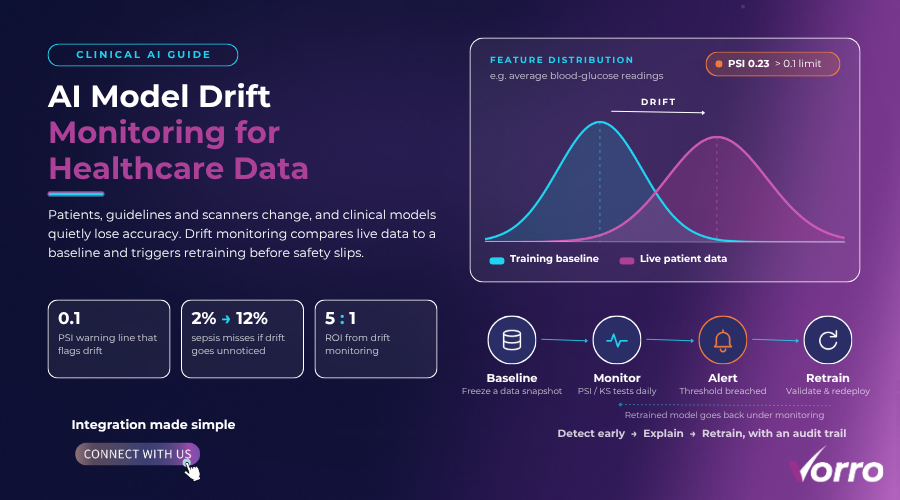
Monitoring doesn’t stop at go?live. Deploy dashboards that track API latency, error rates, and consent status. Continuous validation catches drift before it becomes a compliance issue.
Compliance and Privacy Alignment
Align the migration with HIPAA and ONC rules from day one. Use tokenization for PHI during bulk loads and ensure patient consent flags travel with every FHIR resource.
FAQs
What is the difference between FHIR R4 and R5?
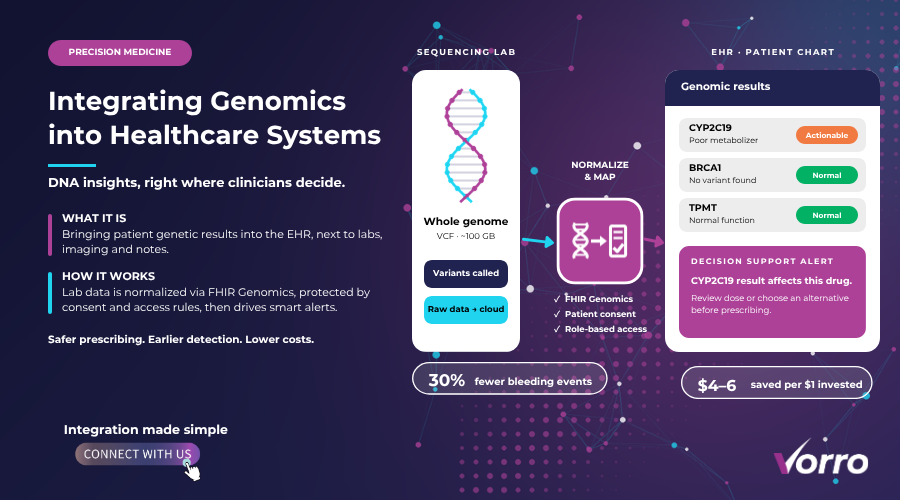
R5 adds new genomics profiles and expands the Terminology Service. R4 remains the stable baseline for most productions today.
How long does a typical HL7 v2 to FHIR R4 migration take?
Most projects land between six and nine months, depending on data volume and resource availability.
Do I need a dedicated migration partner?
Not mandatory, but a seasoned partner accelerates the timeline and reduces risk—especially for complex ADT/ORU conversions.
What are the common data quality pitfalls?
Missing identifiers, duplicate patients, and unmapped custom v2 segments trip up 30?% of migrations. Early validation catches these.
How can I future?proof my investment for R5?
Design your APIs with version?agnostic endpoints and adopt extensible profiles. That way the next upgrade is a matter of adding new resources, not rebuilding the whole stack.
In short, a thoughtful assessment, the right partner, and solid governance turn a daunting FHIR R4 migration into a strategic win. Ready to start? The roadmap is right here.